Day 10 Herb of the Day Elder! Magic and Medicinals. What our Ancestors Knew, by The Magic Apothecary, Mary Elizabeth Micari
Disclaimer: The following information is of an educational and general nature and should not be construed as legal advice. You should consult appropriate written and professional sources to answer questions related to your individual situation. Exercising one’s rights often entails some element of risk, and you should verify all information relevant to your situation before acting; the author and publisher disclaim any responsibility or liability for any loss incurred as a consequence of the use of any information herein.
Elder (Sambucus nigra)
Black Elder. Common Elder. Pipe Tree. Bore Tree. Bour Tree. (Fourteenth Century) Hylder, Hylantree. (Anglo-Saxon) Eldrum. (Low Saxon). Ellhorn. (German) Hollunder. (French) Sureau.
Parts Used—Bark, leaves, flowers, berries.
The Elder, with its flat-topped masses of creamy-white, fragrant blossoms, followed by large drooping bunches of purplish-black, juicy berries, is a familiar part of any countryside and in many gardens. The summer begins with sweet white elder flowers and ends with the berries!
Some History:
The word ‘Elder’ comes from the Anglo-Saxon word aeld. In Anglo-Saxon days we find the tree called Eldrun, which becomes Hyldor and Hyllantree in the fourteenth century. One of its names in modern
The generic name Sambucus occurs in the writings of Pliny (doctor and herbalist) and other ancient
Uses as a wood:
The wood of old trees is white and easily cut. It polishes well too and has been used for making skewers for butchers, shoemakers’ pegs, and various turned articles, such as tops for angling rods and needles for weaving nets, also for making combs, mathematical instruments and several different musical instruments.
Medicine:
Cautions for Elderberry
Too much raw elderberry can upset your stomach and cause diarrhea. Pregnant or nursing women are advised to use caution when consuming this herb.
The leaves have an unpleasant smell when crushed and they have been used to ward off most insects. As a natural organic deterrent, you can boil these leaves and then sprinkle on plants, flowers and trees. It will keep aphids and caterpillars off. You can use this on yourself as well. You can also just crush the leaves and put on your face and exposed skin to keep off biting insects.
The bark has been used as a clothing dye for centuries. It is a dark, green black color.
Elder Flowers and Elder Berries have been used for making many home-made drinks and preserves that are truly delicious! These berries are (yes, I have harvested and eaten them right off the tree) sweet and almost like raisins. They make a great home-made brandy. ¼ berries, ¾ brandy or vodka. Let it sit for 6 weeks and voila! Always water it down and add sugar! It is a great way to prevent colds and flu! You can also add to mulled wine, cider or red or white wine of your choice. There are multiple recipes for this on line as there are for Elder jellies and jams too! You can use them the way you would any berry.
Many use the flowers too as an addition to these wines and brandies and a nice tea can be brewed of either or both. The berries the stronger cold and flu preventative but the flowers are useful for this too. The flowers do better as an ointment which can be made at home! Just add the flowers to oil in a double boiler. Wait for them to wilt and cool. Strain off flowers, place back into the double boiler and add a small bit of wax from soy or bees wax. Put in a container and let cool.
If you boil the flowers and make a gruel of them it is said that they will reduce a fever
Many people put the flowers in a vinegar and use on salads. You can use the berries this way too!
Parts Used Medicinally—The bark, leaves, flowers and berries.
You might have to find and dry the bark. This must be used with extreme caution if you do. It can be made into an infusion (strong tea) and used and an emetic (making one vomit) It can be used as a diuretic as well.
Elder Leaves
Used in the preparation of an ointment historically called Unguentum Sambuci Viride, Green Elder Ointment, which is a remedy for bruises, sprains, chilblains, for use as an emollient, and for applying to wounds.
Here’s an OLD compound recipe:
“It can be compounded as follows: Take 3 parts of fresh Elder leaves, 4 parts of lard and 2 of prepared suet, heat the Elder leaves with the melted lard and suet until the colour is extracted, then strain
The Flowers
Elder Flowers are chiefly used in pharmacy in their fresh state for the distillation of Elder Flower Water!
The flowering season only lasts for about three weeks in June, the flowers are often dried and can be purchased. They can also be used dry for teas and infusions
Elder Flower Water is an old pharmaceutical mixture. Flowers are made into a tea or infusion and then used for mixing medicines used for eye and for skin lotions. You can find it in may French beauty concoctions under the name or Eau de Sureau. Sureau is the French name for Elder. It can be used and often is as a very light form of astringent.
Here is an OLD recipe that can be made at home:
Fill a large jar with Elder blossoms, press them down. Make sure all stalks are removed. Pour 2 quarts of boiling water on them. When they are cooled add alcohol (vodka is fine 80 proof and higher) let them stand overnight covered then strain and put into bottles.
“Fill a large jar with Elder blossoms, pressing them down, the stalks of course having been removed previously. Pour on them 2 quarts of boiling water and when slightly cooled, add 1 1/2 OZ. of rectified spirits. Cover with a folded cloth and stand the jar in a warm place for some hours. Then allow it to get quite cold and strain through muslin. Put into bottles and cork securely.”
Elderflower Water in our great-grandmothers’ days was a household word for clearing the complexion of freckles and sunburn and keeping it in a good condition. Every lady’s toilet table possessed a bottle of the liquid, and she relied on this to keep her skin fair and white and free from blemishes, and it has not lost its reputation! You can use it after swimming to help the skin stay soft and free of pollutants and salt. If you have blemishes you can add the elder flower water to glycerin and use it twice a day.
Elder Flowers, if placed in the water used for washing the hands and face, will soften the skin. To use often place them in a small muslin bag kept by the sink or use this bag in the bathwater! It has been said it will not only help the skin but calm nerves and irritability too!
The flowers were used by our ancestors bronchial and pulmonary disease, and in scarlet fever, measles and other diseases like Chicken pox. An infusion (strong tea) of the dried flowers, Elder Flower Tea, is said to promote expectoration! It is gently laxative and can induce perspiration. It is a good old-fashioned remedy for colds and throat trouble, taken hot before going to bed. An almost perfect cure for the flu in its first stage is a strong infusion of dried Elder Blossoms and Peppermint. Put a handful of each herb in a bowl and two pints of boiling water on them. Let them steep for about a half an hour and then strain. Sweeten and drink in a warm bed as hot as you can stand it. You will begin to perspire and have a good sleep! You might be on a very fast recovery track if you do this as soon as you feel a flu or cold coming on. It is recommended you stay in bed at least 36 hours
Elder Flower Tea, cold, was also considered almost as good for inflammation of the eyes as the distilled Elder Flower Water.
Tea made from Elder Flowers has also been recommended as a splendid spring medicine, to be taken every morning before breakfast for some weeks, being considered an excellent blood purifier.
Externally, Elder Flowers are used in fomentations (poultice) to ease pain and take down inflammation.
A lotion can be made by pouring boiling water on the dried blossoms. This is a healing, cooling and soothing lotion. To make Add 2 ½ ounces of Elder Flowers to 1 quart of boiling water, infuse for an hour and then strain. The liquid can be applied as a lotion on a cloth for boils and skin eruptions. You might also want to try this for a headache, putting the cloth with Elder water on the temples.
People have even eaten the buds with a little oil and vinegar to help with skin eruptions!
Elder Vinegar made from the flowers is an old remedy for sore throats.
Elder Flowers, with their subtle sweet scent are used all the time is cooking in batters for funnel cakes and muffins and in much other baking
Elder Berries
The Romans made use of Elderberry juice as a hair-dye! It makes the hair black.
The berries are extensively used for the preparation of Elder Wine.
They can be used for rheumatism and again, like the flowers can be diuretic and emetic. Can also be sued as a laxative.
Elderberry Wine has a reputation like the flower in tea of taken hot, at night, for promoting perspiration in the early stages of severe flue and colds. If the cold has shivering and cold throat. Like Elderflower Tea, it is one of the best preventives known against the advance of the flu and chill. It can aid in asthma.
Since ancient times, something called a ‘Rob’ (a vegetable juice thickened by heat) has been made from the juice of Elderberries simmered and thickened with sugar, forming an invaluable cordial for colds and coughs!
To make Elderberry Rob:
Take 5 lb. of fresh ripe, crushed berries are simmered with 1 lb. of sugar and the simmer until the juice is the thickness of honey. The Rob can be bottled and stored for the winter. You can make this yourself or contact an herbalist (like me) to make it for you in the fall.
A Syrup of Elderberries can be made by picking or using dried berries. No stalks. Stew them in a little water in a pan. After straining them when soft, add ½ oz of ginger. Boil the ingredients for an hour, strain and bottle. It is an excellent cure for a cold. You can also add more anti flu ingredients like plantain, red cherry for coughs, echinacea, garlic and more. Add sugar.
SOME OLD ELDER WINE RECIPES
From a Modern Herbal by Mrs. Grieve
“’To every quart of berries put 2 quarts of water; boil half an hour, run the liquor and break the fruit through a hair sieve; then to every quart of juice, put 3/4 of a pound of Lisbon sugar, coarse, but not the very coarsest. Boil the whole a quarter of an hour with some Jamaica peppers, ginger, and a few cloves. Pour it into a tub, and when of a proper warmth, into the barrel, with toast and yeast to work, which there is more difficulty to make it do than most other liquors. When it ceases to hiss, put a quart of brandy to eight gallons and stop up. Bottle in the spring, or at Christmas. The liquor must be in a warm place to make it work.’
Magical Uses of Elder
Through time The Elder became the emblem of sorrow and death. There are many superstitions that surround it and legends which group up over time. Some won’t cut it because they fear bad luck. Gypsies never use the wood in camp fires and fear it being in their woods. Supposedly the cross of Jesus was made from Elder and because of that people were afraid to harm it. Most northern countries of Europe see Elder as the Mother tree and deeply associated with Magic. In its branches was a dryad the Hylde-Moer, the Elder Tree Mother, who lived in the tree. If the tree was cut and made into furniture it was believed that the Hylde-Moer was in it still and would haunt the owners. People feared ever putting a child in an Elder wood cradle because of the Hylde-Moer being in the wood and haunting the child. It was said that to chop down the tree one would ask the Hylde-Moer and if no answer came to stop you then it was ok to proceed.
The Russians believed that Elder-trees drive away evil spirits, and others in the European north thought of it as a spell to take away fever. In Southern Italy people thought that sticks of its wood would kill serpents and drive away robbers. Some people added a stick of Elder into their wedding bouquets for good luck. In old England it was believed that the Elder was never struck by lightning and a twig of it tied into three or four knots and placed and carried in the pocket was a charm against rheumatism. It was also used on doors of barns to protect animals.
An Elder bush, trimmed into the form of a cross, was planted on a new-made grave, and if it blossoms, the soul of the person lying beneath it is happy was a common thought too Green Elder branch were also buried in a grave to protect the dead from evil spirits. In some places the driver of the hearse would carry a whip make of Elder wood.
In Denmark there was an old belief that anyone standing under an Elder tree on Midsummer Eve would see the King of Fairyland ride by, attended by all his retinue.
Apart from all these traditions, the Elder has had from the earliest days a firm claim on the popular affection for its many sterling virtues.
Woodwind instruments made from Elder are said to produce music most beloved of the Spirit world, hinting at Elder’s power to connect energies.
In astrology, Elder is considered a feminine tree and is governed by Venus. Its element is water.
Magic and Medicinals. What our Ancestors Knew by The Magic Apothecary, Mary Elizabeth Micari
Disclaimer: The following information is of an educational and general nature and should not be construed as legal advice. You should consult appropriate written and professional sources to answer questions related to your individual situation. Exercising one’s rights often entails some element of risk, and you should verify all information relevant to your situation before acting; the author and publisher disclaim any responsibility or liability for any loss incurred as a consequence of the use of any information herein.
Comfrey (Symphytum officinale)
Other Names: Common Comfrey. Knitbone. Knitback. Consound. Blackwort. Bruisewort. Slippery Root. Boneset. Ass Ear.
This well-known showy plant is a member of the Borage and Forget-me-not tribe, Boraginaceae!! Or Borage.
Description
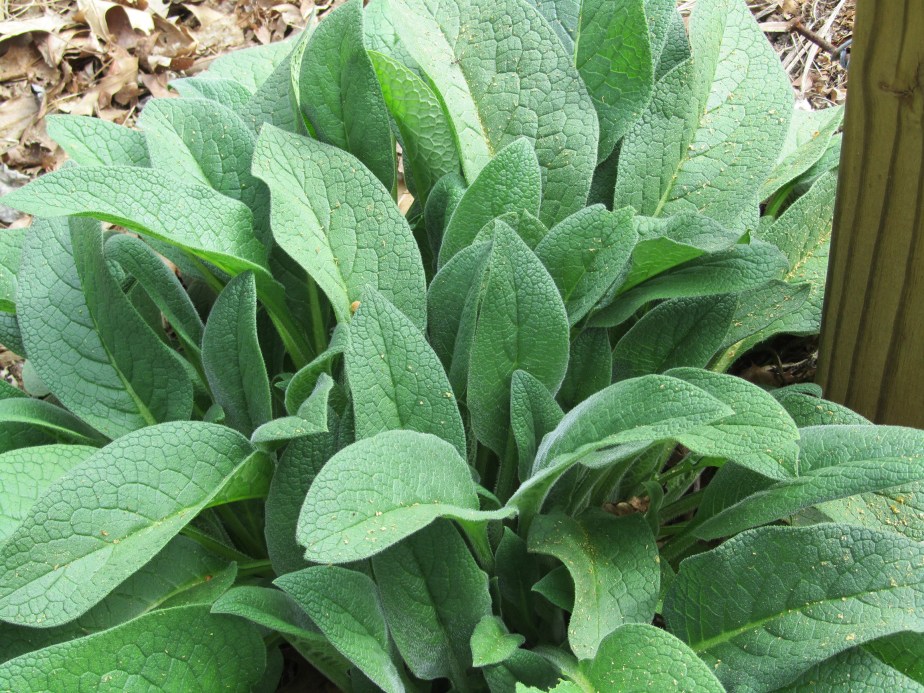
The leafy stem, 2 to 3 feet high, is thick and hollow. It is a broad leaf. Some leaves are up to 10 inches long. They are oval shaped and covered with rough hairs which can cause itching, so be careful when collecting. The flowers are purple and/or white and droop. Comfrey is in bloom throughout the greater part of the summer, the first flowers opening at the end of April or early May.
I grow this on my stoop. It is a hardy plant and comes back now four years in a row very hearty!
It is common in England and in Ireland as well as the United States.
Cultivation—Comfrey thrives in almost any soil.
Parts Used Medicinally—The root and leaves, generally collected from wild plants.
Medicinal Uses
Comfrey is a Demulcent (a substance that relieves irritation of the mucous membranes) by forming a protective film), mildly astringent and expectorant. As the plant is very rich in mucilage, it is frequently given like Marshmallow (more on that another time) for intestinal troubles. It is a gentle remedy in cases of diarrhea and dysentery. A decoction is made by boiling 1/2 to 1 OZ. of crushed root in 1 quart of water or milk, which is taken in wineglassful doses, frequently.
DO NOT INGEST COMFREY WITHOUT CONSULTING A PHYSICIAN FOR SOME IT CAN BE DANGEROUS AND IS A KNOWN POISION IN LARGE DOSES. DO NOT USE while pregnant or Breastfeeding.
It’s demulcent action it has been used for centuries for lung troubles and for whooping-cough. In this case the root is more effective than the leaves. It has been used for tuberculosis and bleeding of the lungs in the past. Many used it for internal bleeding in centuries past and for bleeding hemorrhoids mixed in with witch-hazel for cleansing and pain relief.
Comfrey leaves can be used for sprains, swelling, bug bites and bruises. It can be ground and used as a poultice for cuts and to aid in opening of boils and abscesses. The leaves and plant itself ground well and made into a poultice is a great aid in any inflammatory swelling It can be used on joints in the case of inflammatory arthritis. I use a salve of this on joints and have used it on a bone spur. Works very well.
A salve made from the fresh herb will promote the healing of bruised and broken parts, including bones.
From a Pharmacist in 1921:
‘Allantoin is a fresh instance of the good judgment of our rustics, especially of old times, with regard to the virtues of plants. The great Comfrey or consound, though it was official with us down to the middle of the eighteenth century, never had a very prominent place in professional practice; but our herbalists were loud in its praise and the country culler of simples held it almost infallible as a remedy for both external and internal wounds bruises, and ulcers, for phlegm, for spitting of blood, ruptures, haemorrhoids, etc. For ulcers of the stomach and liver especially, the root (the part used) was regarded as of sovereign virtue. It is precisely for such complaints as these that Allantoin, obtained from the rhizome of the plant, is now prescribed. One old Syrupus de Symphyto was a rather complicated preparation. Gerard has a better formula, also a compound, which he highly recommends for ulcers of the lungs. The old Edinburgh formula is the simplest and probably the best: Fresh Comfrey leaves and fresh plantain leaves, of each lb.ss.; bruise them and well squeeze out the juice, add to the dregs spring water lb.ij.; boil to half, and mix the strained liquor with the expressed juice; add an equal quantity of white sugar and boil to a syrup.’
Comfrey roots, together with Chichory and Dandelion roots, are used to make a well-known vegetation ‘Coffee,’ that tastes practically the same as ordinary coffee, with none of its effects.
From a book written in 1688 on herbs: ‘From the French conserve, Latin conserva – healing: conserves – to boil together; to heal. A Wound Herb.’ ‘The roots,’ says a sixteenthcentury writer, ‘heal all inwarde woundes and burstings,’ and Baker (Jewell of Health, 1567) says: ‘The water of the Greater Comferie druncke helpeth such as are bursten, and that have broken the bone of the legge.’ In cookery, the leaves gathered young may be used as a substitute for Spinach; the young shoots have been eaten after blanching by forcing them to grow through heaps of earth.
Magical Uses:
Comfrey is associated with Saturn and the Element of Water and is sacred to Hecate.
Comfrey is used in protective magic for the traveler and to protect against theft. Try placing a comfrey leaf in your luggage to make sure it isn’t lost or stolen. Use comfrey root in sachets s for protection while traveling, and to keep your lover faithful while you are gone. Also use it in sachets to protect vehicles. Hang from your rear-view mirror or hide it under a seat.
Wrap your money in a comfrey leaf for several days before going to a casino or poker game. It will help keep your bets coming back to you.
Comfrey flowers, especially blue ones, can be substituted in any spell calling for borage. They are of the same family.
Use comfrey in a bath after ritual to relax and cleanse you, especially for healing or love spells.
It can be burned in combination with mugwort to aid in divination and concentration.
You can use it alone or add it to spells for letting go of unhealthy relationships.
I find that interesting! It is used to heal bones, knit them together, like knitting a broken heart together! It removes inflammation and aids in pain. Removes passion and aids in healing.
Our ancestors approached both the same way. What could heal the body most certainly can heal the spirit, the emotions, the mind.
Magic and Medicinals. What our ancestors knew by The Magic Apothecary, Mary Elizabeth Micari
Disclaimer: The following information is of an educational and general nature and should not be construed as legal advice. You should consult appropriate written and professional sources to answer questions related to your individual situation. Exercising one’s rights often entails some element of risk, and you should verify all information relevant to your situation before acting; the author and publisher disclaim any responsibility or liability for any loss incurred as a consequence of the use of any information herein.
Slippery Elm (Ulmus rubra)
Slippery elm as a healing herb has a great ability to reduce inflammation, soothe indigestion, heal the skin, eliminate infections, reduce blood pressure, increase blood flow, boost eye health, protect from ulcers, detoxify the body, aid in oral health, and improve respiratory health.
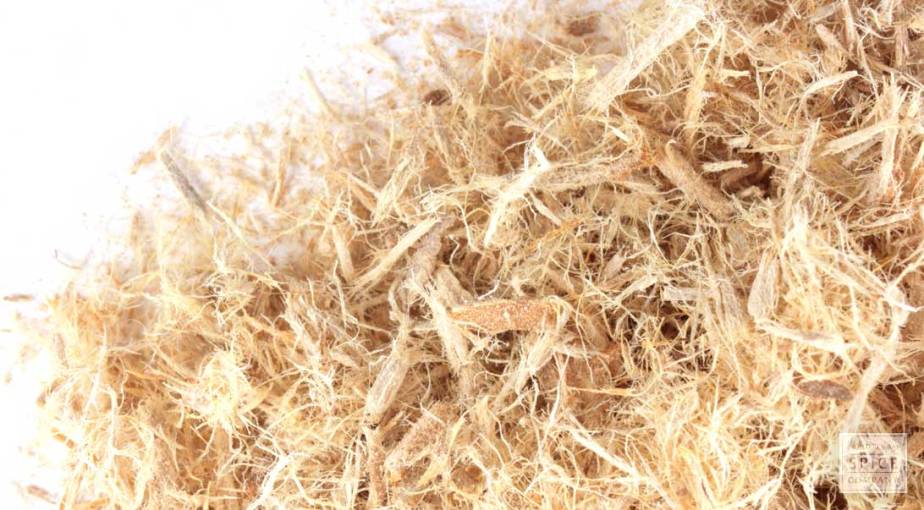
The slippery elm is known as Ulmus rubra and it is native to eastern North America. It belongs to the Ulmus family and is also known by other names, including red elm, gray elm, and Indian elm. In the United States, it is widely cultivated to harvest its bark, which can be ground into a pulp or dried and used as a powder. This tree was used for many medicinal purposes by Native Americans, and some traditional herbalists and alternative practitioners still rely on slippery elm for a wide range of health problems today. Scientific research is limited on this, but records kept have shown that it may be very helpful overall.
One of the most active ingredients in slippery elm is mucilage. Mucilage is what creates the pulp or what some call “gruel” used in traditional medicine systems. The bark can also be dried and added to liquids as a powder. Some people take it as a supplement in capsule form.
One of the primary uses for slippery elm is as a digestive aid. The mucilage found in its bark is perfect for soothing the digestive tract and eliminating inflammation, primarily the type that causes Irritable Bowel Syndrome (IBS). There is also a very large amount of fibrous tissue found in the bark, which can help to bulk up the stool and eliminate issues like diarrhea. It can be sued as a gastrointestinal aid for many illnesses. It has been used this way for thousands of years.
Slippery elm has traditionally been used to calm sore throats. The anti-inflammatory compounds of the in it can reduce irritation. Creating a pulp of the mucilage is the best approach for this remedy, but drinking a powdered mixture will also work well! This is a very fast acting treatment and as a singer and voice teacher I can attest to the fact that it works in tea or in lozenges.
There are many other nutrients found in slippery elm beside mucilage. Iron which is crucial for the production of red blood cells is found in the bark. This can increase circulation, and boost oxygenation of important parts of the body. When combined with potassium, which is also in the bark you may be able to help the cardiovascular system.
Slippery Elm bark can aid injuries such as burns and abrasion. For centuries Native Americans made salves and balms to help speed the healing process. It has minerals as well as antioxidant compounds.
If you have suffered from burns, have noticeable scars, or generally poor skin health, slippery elm can be a wonderful remedy. The antioxidants and unique vitamins of this herbal salve can reduce the appearance of wrinkles, eliminate free radicals from the upper skin layers, and even heal age spots. Furthermore, just as it does for wounds, it can help protect the skin from infections of various types, acting as the first line of defense for the body.
Slippery elm is that it is high in certain acids and coats the lining of the intestines; this means that for gastrointestinal problems like ulcers it is a great aid.
There is some evidence suggesting that slippery elm can be used as a diuretic. It might be able to aid in removal of toxins and excess salts and water from the body boosting kidney healthy and helping the function of the metabolism.
One of the most valuable effects of slippery elm are its anti-inflammatory talents. Works well well for heartburn and hemorrhoids. The strong effect of slippery elm in treating or lessening the severity of these conditions is well documented and widely relied on in alternative medicine circles.
When the balm or salve of slippery elm is applied to a pulled muscle, bruise, or other painful areas of the body, relief is rapid and effective. The antioxidant and analgesic components of slippery elm can quickly soothe the pain.
Although this is obviously a highly controversial, slippery elm is a key component in Essiac, a common herbal treatment for various types of cancers. Research into the antioxidant effects of slippery elm has been widely conducted and the conclusions are still uncertain, so this possible health benefit should never be used alone and must still be used in conjunction with medical treatment for these illnesses.
One of the most popular uses of slippery elm has been as a salve for oral health. If you feel a tooth infection coming on, or have pain in your gums, you can apply some slippery elm to the cap of the tooth and the surrounding gums to prevent infection and relieve pain through the anti-inflammatory properties!
WORDS OF CAUTION
Slippery elm can be too intense for people with sensitive skin, so when first applying a salve or balm, check what your skin’s reaction is before adding more. The skin’s reactions, however, are typically mild, but you should discontinue use if you experience irritation, itchiness, or redness.
NOT FOR USE FOR PREGNANT WOMEN. IT HAS BEEN KNOWN TO CAUSE PREMATURE LABOR. SLIPPERY ELM IS BANNED IN THE UK. PLEASE ALWAYS CONSULT YOUR DOCTOR BEFORE USING ANY HERB OR SUPPLEMENT.
MAGICAL USES:
Saturn, Feminine Energy, Element of Air
Slipper Elm halts Gossip. It can be used to stop gossip and slander and supposedly can make one impervious to it. It will stop back biting family members, jealous co-workers and false frinds who might want to make trouble in your love life. Some people will use some in the corners of their homes to rid the premises of evil. If you like you can make a charm to be worn about the neck of a child to help with learning speech and to be a persuasive speaker later in life. If you like you can tie a knotted yellow thread around slippery elm and throw it into a fire to cease all gossip about you. The herb can be useful in exorcism, protection, spell breaking and more. It may be of great service when attending ceremonies that demand long hours of chanting and praying.
Here’s an interesting spell!
Invisibility Spell Powder
You’ll need:
– mortar and pestle
– cauldron or potion pot
– almond tincture
– 1 part Fern leaf, dried
– 1 part Poppy seeds
– 2 parts Slippery Elm powder
– 1 part Myrrh
– 1 part Marjoram, dried
– 3 parts Dillweed, fresh if possible
Below is a tried and true recipe for an invisibility manifesting preparation. Although it is presented as a powder, to be strewn, burned, or carried, the herbs given could just as well be concocted into a potion, oil, or tincture
At Dark Moon, in a mortar and pestle, grind together:
1 part Fern leaf, dried 1 part Poppy seeds
Add
2 parts Slippery Elm powder 1 part Myrrh 1 part Marjoram, dried 3 parts Dillweed, fresh if possible
Grind all together, mixing well.
Add 9 drops almond tincture (almond cooking extract is great.) with enough spring water to make everything barely moist, and mix in well. Place in a ceramic bowl, spreading as thinly as possible, and dry the mixture over low heat, stirring it occasionally, until it seems lightly browned. Pour back into mortar, and grind again, enchanting:
Things Seen, and Things Not Seen: Let me walk here in between.
When finely powdered, store in a clear glass container. It will keep its power for years. Sprinkle, just a little bit, on yourself, objects, or in a place to be made invisible.
I find this all very fascinating, don’t you? I mean…protection of the body, the home, the person! It cleanses, makes one invisible to slanderous people and lies and heals your throat to boot! I have a lot of it here and plan to use it a whole lot more!
Magic and Medicinals. What our ancestors knew by The Magic Apothecary, Mary Elizabeth Micari
Disclaimer: The following information is of an educational and general nature and should not be construed as legal advice. You should consult appropriate written and professional sources to answer questions related to your individual situation. Exercising one’s rights often entails some element of risk, and you should verify all information relevant to your situation before acting; the author and publisher disclaim any responsibility or liability for any loss incurred as a consequence of the use of any information herein.
Chamomile:
German chamomile (Matricaria retutica) and Roman (or English) chamomile (Chamaemelum nobile).
Most of the people for centuries have benefited greatly from chamomile tea!
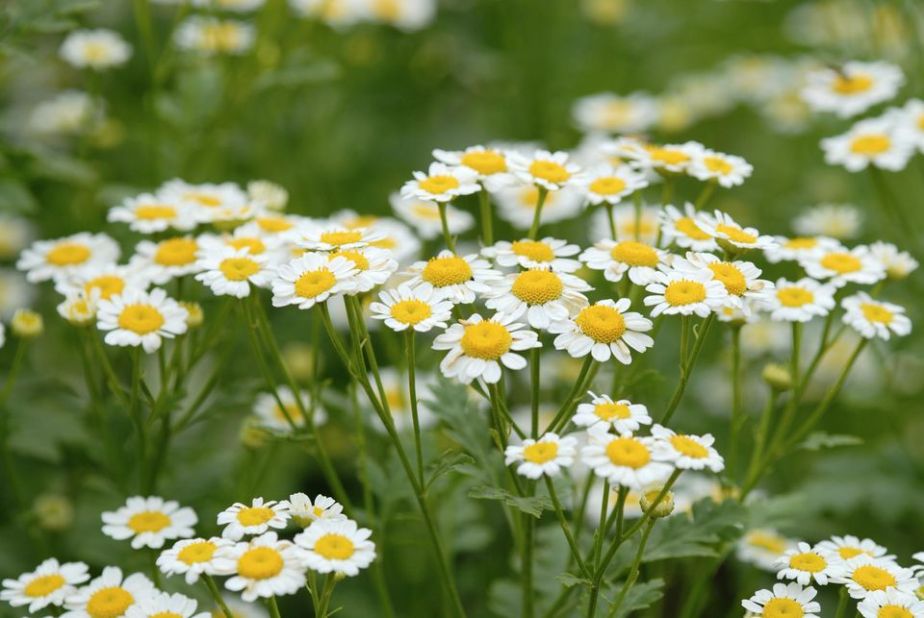
I have grown this wonderful little herb and fallen in love withe the sweet flowers and apple like scent. Its a hardy herb and comes back to fight again and again!
Did you know you could use this lovely flor for Skin Care?
Chamomile is anti-inflammatory and antioxidant-rich and is not only used as a nice warm tea before bed or for babies with cholic. You can apply warm or cold chamomile tea to the site of an irritation or a condition such as eczema! Modern research shows that this sort of direct application can improve healing significantly! It can lessen the appearance of blemishes and wrinkles as well because it eliminates oxidative stress and boost the immune response in your skin.
It can add a boost to your Immune System
By using Chamomile tea, you can strengthen your immune system and stop infections before they start. There are compounds in chamomile that are called phenolic and are linked to fighting bacterial infections in the body. There have been studies showing that 5-6 glasses of this tea over a two or more-week course can help the body improve its ability to fight infections.
Chamomile also relives Menstrual Discomfort because of its anti-inflammatory nature. Women use it often for bloating, cramping, anxiety, sweating, inability to sleep, and mood swings. Chamomile tea can directly affect many of these symptoms by soothing the mind and body and reducing inflammation that may be causing discomforts.
Chamomile Relieves Stress!
One of the most popular uses for chamomile tea is in the treatment of stress and anxiety. This tea has been shown to increase levels of serotonin and melatonin in the body. These hormones can eliminate stress and relieve anxiety. For chronic stress try 1-2 cups a day.
DO NOT USE DURING PREGNANCY. It has been shown to cause miscarriage!
A great way to start your sleep each night is with a cup of this tea. In a similar way that chamomile tea can ease stress and worry, it can also be an overall sleep aid for those that have restless sleep and even those struggling with sleep apnea.
Some research has shown that chamomile tea can be useful for people suffering from diabetes. Chamomile can lower blood sugar levels and helps in regulating the insulin in the blood, the powerful chemicals in it help to eliminate massive drops and spikes in blood sugar.
Treats Stomach Disorders as well!
If you are suffering from stomach irritation, ranging anywhere from mild bloating to IBS symptoms, chamomile tea can be a major help. It has anti-inflammatory properties that help ease the twisting nature of your gut and allow for the passage of gas and smoother bowel movements. A single cup of chamomile tea can make you feel better, and its continued use can help prevent serious conditions from developing.
Hair Care too? Wow.
Aside from all the other attributes of chamomile tea many people say it improves the appearance and strength of hair. It can also help with scalp irritation and eliminate dandruff. It will give the hair a silky look.
Some people are allergic to chamomile. Especially when applied topically. Please see your doctor regarding Chamomile and if you have Rag Weed allergies you might want to test a skin patch before using or ingesting. However, many find that using Chamomile helps them modulate the immune response to the allergens they encounter! It works as a natural anti-histamine as well.
I know my Grandmother insisted that she have a cup a day…she lived till 94! I use Chamomile oil in my diffuser at night and we all sleep very well! When my son was young I used this tea to aid in his teething as well. It soothed him to sleep and helped him many times with stomach upsets.
I can also recommend you use a few drops of the oil (check for allergies) in a bath before bed as well!
Magical Uses
Chamomile is associated with the Sun/fire and the sign of Leo! It is also associated with the element of water. It helps cleanse and invigorate the throat chakra (5th). It is associated with various Sun Gods like Ra, Cernunnos, Lugh and more.
It is used in spells for money, peace, love, tranquility and purification.
If you like you can use the tea to wash thresholds (doors and windows) will help keep unwanted energies or entities from passing through. Sprinkle powdered chamomile flowers around yourself or home to remove spells cast against you and to prevent fires and lightning strikes. You may also use herbal water made from soaking the herb, if you prefer.
Use it in a ritual bath. before performing spells for any of these purposes. Just a simple chamomile bath while visualizing will increase your attractiveness to the opposite sex. Also, use it in a bath as part of a spell to release a loved one, or to release feelings of pain, loss or anger.
Washing your hands in chamomile water before gambling will increase your luck.
Add to sachets for luck or money. Or place pressed chamomile flowers in your wallet to attract money to it.
Use in meditation incense as well. It aids in relaxation.
If you look you will see that the magic of this herb is just the same as its healing properties!







 Veriditas NYC