Day 6 Herb of the Day Dandelion! Magic and Medicinals. What our ancestors knew by The Magic Apothecary, Mary Elizabeth Micari

Day 6 Herb of the Day Dandelion!

Magic and Medicinals. What our ancestors knew by The Magic Apothecary, Mary Elizabeth Micari

Disclaimer: The following information is of an educational and general nature and should not be construed as legal advice. You should consult appropriate written and professional sources to answer questions related to your individual situation. Exercising one’s rights often entails some element of risk, and you should verify all information relevant to your situation before acting; the author and publisher disclaim any responsibility or liability for any loss incurred as a consequence of the use of any information herein.

dandelion-pesto-1-1030x687

The Dandelion (Taraxacum)

Other Names:

Blowball, Cankerwort, Cochet, Common Dandelion, Couronne de Moine, Dandelion Extract, Dandelion Herb, Délice Printanier, Dent-de-Lion, Diente de Leon, Dudal, Endive Sauvage, Fausse Chicorée, Florin d’Or, Florion d’Or, Herba Taraxaci, Laitue de Chien, Leontodon taraxacum, Lion’s Teeth, Lion’s Tooth, Pisse au Lit, Pissenlit, Pissenlit Vulgaire, Priest’s Crown, Pu Gong Ying, Salade de Taupe, Swine Snout, Taraxaci Herba, Taraxacum, Taraxacum dens-leonis, Taraxacum officinale, Taraxacum vulgare, Tête de Moine, Wild Endive

Dandelion is not found in the Southern Hemisphere, but is proliferate in all parts of the north, in pastures, meadows and on waste ground.  There is so much of it that farmers everywhere fight it off to grow crops! Its flowers bloom and spread seeds far and wide for many months of the year! Many of us help it by making wishes on the seed heads and blowing them away to carry our desires to the winds!

I think we all pretty much know what the tops of it look like from its yellow flower head to its white seed later. It also has a tap root, dark brown, almost black on the outside though white and milky within.  It has long jagged leaves

There is some doubt, however, as to whether it was really the shape of the leaves that provided the original idea that this plant resembles a lion. Dandy Lion! Maybe it was the jagged teeth on he leaves may perhaps be said to resemble the angular jaw of a lion with teeth.

The blooms are very sensitive to weather conditions: in sunny weather, all the parts are outstretched, but in rain the whole head closes at once. It closes against the dews of night, by five o’clock in the evening, being prepared for its night’s sleep, opening again at seven in the morning though as this opening and closing is largely dependent upon the intensity of the light, the time differs somewhat in different latitudes and at different seasons.

The young leaves of the Dandelion are delicious although bitter and are eaten in salads and sautés in France and Italy.  I eat them all year if I can get them! With a little garlic, salt and hot red pepper they are delicious greens.

The roasted roots are used to make Dandelion Coffee a healthy alternative with no stimulation.

The root, fresh and dried, the young tops. All parts of the plant contain a somewhat bitter, milky juice (latex), but the juice of the root is powerful and is the part of the plant most commonly used for medicinal purposes.

You can grow it in your garden or wait for it to come to you there as it always will!  Do not wildcraft dandelion where there has been poison laid down to kill weeds or where dogs do their business.  Try to find it if you do in clean, untouched areas.  OR buy it in your farmers market, health food store or herbal store. If you are looking for leaves, try the spring and roots after the first frost.

Medicinal Use of Dandelion

Please do not use any herb without first consulting with your doctor.

It is a diuretic and it is a general stimulant to the system, but especially to the urinary organs, and is chiefly used in kidney and liver disorders as well as edema.

Not being poisonous, big doses of its preparations may be taken.

Many people take it for to help clear a fatty liver or aid in cleansing the liver after a long bout of antibiotics or other medications. It can be used as a bitter to help with indigestion and is a mild laxative. It can if needed increase the appetite. Many also use a very strong decoction on the skin for eczema.

Dandelion can be eaten or taken in an extract or tincture, blended into a tea with other herbs or taken alone.  You can use the leaves, flower heads or root depending on need.

Leaves are used in tea or food as a vegetable with diuretic properties. Roots are made into a decotion by boiling or in a tincture.  Roots are commonly used for liver, kidney and urinary complaints.

Magical Uses
The dandelion is masculine in action (Yellow like the sun) and associated with the planet Jupiter, the element of air…think seeds.  It is associated with both Pisces and Sagittarius. It can be used for any solar deity and is also associated with Hecate, Brigid and Belnos! A tea of the flowers and leaves may be drunk to increase psychic ability while pouring boiling water over a bowlful of roots will aid in calling spirits. Can be used on dream pillows and sachets for protection during sleep.  If you want good luck you can bury a dandelion root on the northwest side of your house or leave it inside on an altar.  If you’d like to speak to spirits, you can leave a cup of the tea by your bedside.

It is associated with the underworld and necromancy (raising the dead).  Bees love it as do goats, and pigs.  It is a Mercurial weed because of its association with the air element (birds and bees love it).

Make a wish and blow the seeds off a dandelion head is a well-known magic!

Traditionally, dandelions have often appeared in pagan rituals. The yellow blossoms and bright green leaves accent altars for spring and summer celebrations like the Vernal Equinox (March 21st) Beltane (May 1) , and Litha (June 21st Midsummer). They can be woven into garlands, wreaths, and ropes to be worn or draped across altars. Towards autumn, pluck the silvery orbs to adorn your altar for Lammas (Aug 1), Mabon (Sept 21st), or Samhain (Oct 31st).

Of course, because for centuries it has been used to cleanse the system of waste and water it is also used in any ritual or spell to clean away! To remove bad luck, bad mojo or bad relationships.  Cleansing and restoring all.

I love how again, Magic and medicine blend. Our Ancestors considered healing a magic act and understood these plants in ways we over look.  Perhaps we should reconsider being so closed to the apparent healing the earth herself gives us for body, mind and spirit!

Blessed Be

Modern Information Web MD: https://www.webmd.com/vitamins-supplements/ingredientmono-706-dandelion.aspx?activeingredientid=706&activeingredientname=dandelion
 

Day 5 Herb of the Day Elecampane! Magic and Medicinals. What our ancestors knew by The Magic Apothecary, Mary Elizabeth Micari

Disclamer: The following information is of an educational and general nature and should not be construed as legal advice. You should consult appropriate written and professional sources to answer questions related to your individual situation. Exercising one’s rights often entails some element of risk, and you should verify all information relevant to your situation before acting; the author and publisher disclaim any responsibility or liability for any loss incurred as a consequence of the use of any information herein.

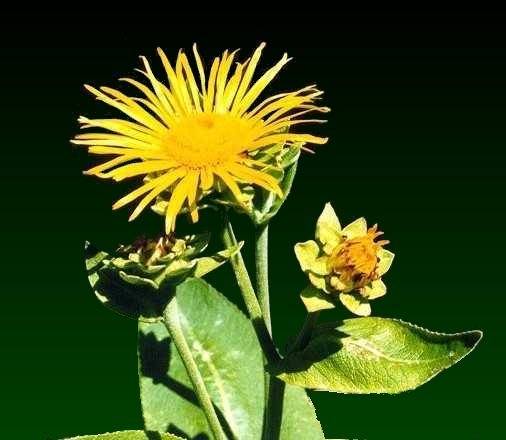
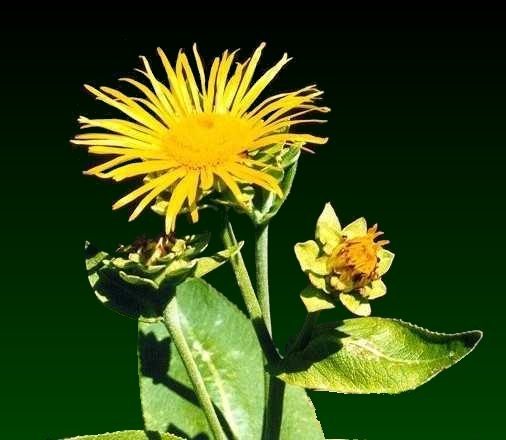
elecampane

ELECAMPANE  (Inula Helenium)

Also known as Scabwort. Elf Dock. Wild Sunflower. Horseheal. Velvet Dock.

Do not take Elecampane without asking your Physician and do not use when breast feeding or pregnant.

Part Used-Root.
Where it Grows: Elecampane is a very large plant.  It is found throughout England and the Europe and now cultivated and growing wild in the Eastern USA.  Can be found from Nova Scotia to the deep south and as far west as Missouri.   It grows in damp pastures and in shady places.  This was a common medicinal plant used for many sicknesses in the Middle Ages.

The stem grows from 4 to 5 feet high, is very stout and deeply rooted.  The whole plant has down, and it produces a large flower with pointed leaves.  It looks a bit like Mullein as it is downy and the leaves are velvety underneath.

The plant is in bloom from June to August. The flowers are bright yellow, with large heads, 3 to 4 inches in diameter, on long stalks, resembling a double sunflower. The broad leaves under the head are velvety. After the flowers have fallen, these scales spread horizontally, and the removal of the fruit shows the a beautifully regular arrangement of little pits on the receptacle, which form a pattern like the inside of a watch. The fruit is quadrangular and crowned by a ring of pale-reddish hairs it is called the pappus.

The plant comes from a perennial root which is large and succulent, with large, fleshy roots.

Elecampane was known to the ancient writers on agriculture and natural history, and even the Roman poets knew it! They called it Inula and said its root was used both as a medicine and a condiment!  The Monks made cordials from it and many ate the roots daily.

Elecampane is frequently mentioned in the Anglo-Saxon writings on medicine in England prior to the Norman Conquest; it is also the ‘Marchalan’ of the Welsh physicians of the thirteenth century, and was generally known during the Middle Ages.

There was a candy made with it in the Middle Ages used for Asthma.  It was then called Elf-Dock or Elf root or Wort.

Part Used Medicinally For pharmaceutical use, the root is taken from plants two to three years old; when more advanced it becomes too woody. As a rule, it is dug in autumn. Elecampane root has at first a somewhat glutinous taste, but by chewing, it becomes aromatic, and slightly bitter and pungent; it has an agreeably aromatic somewhat camphorate orris-like odor. Please refer to information and pictures when searching for plants in the wild.  Most plants I mention will be available from reputable herb sellers in the USA already grown, cleaned and packed for you.

The substance most abundantly contained in Elecampane root is Inulin. Inulin can first be described as a fibrous carbohydrate that can be classified as a starch.  This substance can be found in a variety amount of foods such as vegetables, fruits, and herbs. Inulin is in the class of compounds known as fructans and is a naturally occurring oligosaccharide, meaning it has several simple sugars linked together.  Elecampane is the richest source of inulin.

The amount of Inulin varies according to the season, but is more abundant in the autumn.

Medicinal Action and Uses Elecampane is a Diuretic, tonic, diaphoretic (causes perspiration), expectorant, antiseptic, astringent and gently stimulant. It was used by the ancients in certain diseases of women, also in tuberculosis, in heart failure and in skin infections. Its name ‘Scabwort’ came from the fact that a decoction (root boiled in water) of it is said to cure sheep affected with scabs, and the name ‘Horse-heal’ was given it from its curing the skin diseases of horses.

In herbal medicine it is chiefly used for coughs, consumption and other pulmonary complaints.  It is a favorite remedy for bronchitis. It has been employed for many years with good results in chest infections, and chronic diseases of the lungs such as asthma.  It can help with respiratory difficulties and helps with expectoration.

The root used not only to be candied and eaten as a sweetmeat, but lozenges were made of it as I mentioned earlier about the candies used for asthma.

Some have used it on the skin as a treatment of sciatica and neuralgia.

Modern scientific research has proved that the claims of Elecampane to be a valuable remedy in pulmonary diseases.


Elecampane root can be boiled into a decoction, made into and extract or tincture or dried and mixed with sugar. Some have left it to sit in vinegar or wine and used it that way.

Used as a syrup, for gassy stomach, to relieve coughs, shortness of breath and wheezing.  Has been used for fever, skin eruptions and even the plague! It can be made into and used as an ointment as well.

Magical Properties

Planetary Influence: Mercury

It is associated with Fairies and is also associated with elves.

Elecampane can be used to encourage a better connection between mind and body. It is especially good for those who live in their intellect and ignore their physical health, allowing them to relax and trust their feelings a little more. It brings about balance – the healthy and normal balance between mind, emotions and body. In this case it can be a grounding herb.

Elecampane is useful for those who are home sick and during uncertain times.  It is used in spells to ward off bad luck and loss.

It is also used to open the third eye and clairvoyance.  It is said to give clear sight.  It can be used in initiation rites to open the mind to the sprit world.  It can be added to incense to promote joy and communication and for blessings of babies and mothers.

It was used in to treat illnesses caused by evil faery folk. Can be used to promote communication with the faery realm and as an offering to these beings.  Elecampane was very well known by the Anglo Saxons, who used it extensively both in medicine and magic.  It was used to treat elf shot which is mentioned above as well.  This was a medical condition believed to be caused by invisible elves shooting invisible arrows at a person or animal causing sudden shooting pains in one part of the body.

What an amazing herb and what an amazing history.  Please take some time to explore this herb and its stories and uses.  This magic and medicine still seem to be one!


Modern Information Web MD: https://www.webmd.com/vitamins-supplements/ingredientmono-2-elecampane.aspx?activeingredientid=2&


Day 4 Magic and Medicinals Garlic – What our Ancestors Knew by The Magic Apothecary

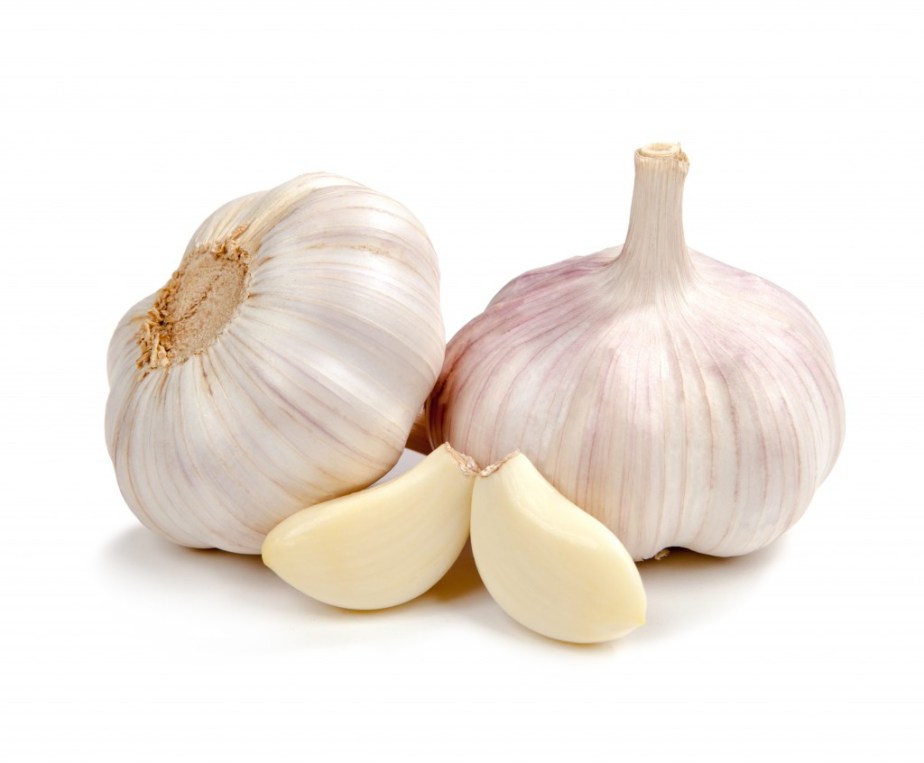
garlic-1024x846

Day 4 Herb of the Day! GARLIC!

Magic and Medicinals. What our ancestors knew by The Magic Apothecary, Mary Elizabeth Micari
Disclamer: The following information is of an educational and general nature and should not be construed as legal advice. You should consult appropriate written and professional sources to answer questions related to your individual situation. Exercising one’s rights often entails some element of risk, and you should verify all information relevant to your situation before acting; the author and publisher disclaim any responsibility or liability for any loss incurred as a consequence of the use of any information herein.

Garlic (Allium sativum)
Garlic, some of us love it, some not but Garlic, especially in its raw form, has been used for healing since ancient times. It was used for its powerful healing forces by the ancient Greeks, Egyptians, Babylonians, Assyrians, Romans who always planted garlic on the battlefield and any new conquests they had and the Chinese.

The healing properties of garlic are wide and varied, ranging from antioxidant, antifungal, antiviral and antibacterial properties to cancer-fighting and immune-boosting activity. Raw garlic has been used as a medicinal plant to prevent — and in some cases, treat or even heal — various health complaints for centuries.

Many people look for a natural way to reduce their risk of cardiovascular diseases, cancer, asthma attacks, bouts of cold or flu, abnormal hair loss, or some skin conditions are likely to reap the most health benefits by regularly eating garlic.

Note: Check with your physician before using garlic for any medicinal purposes.

Garlic as an Antifungal Agent

The medicinal use of garlic as an antifungal has been validated by numerous research papers and publications. Most of the antifungal properties of garlic have been attributed to allicin. Allicin is called a phytochemical and is produced when raw garlic cloves are crushed or chopped. By chopping or crushing you can maximize the allicin-content and you should let the chopped or crushed garlic sit several minutes before using it. Allowing chopped or crushed garlic to sit for 10 to 15 minutes before using it can significantly increase the amount of allicin it produces.

Garlic has been used to treat acne and conditions linked to the overgrowth of Candida yeast in the body and works well to rid women of yeast infections (chop up finely, add to some yogurt and put into a gauze. Insert and watch it work!) Some herbalists also suggest that garlic may have dandruff healing properties due to its ability to fight Pityrosporum ovale (P. ovale), a small fungus that lives on the scalp and that may play a role in the development of dandruff.

Antioxidant
Properties of raw garlic are linked to its antioxidant qualities. These antioxidant properties are largely attributable to allicin, the same compound that is responsible for the antifungal properties of crushed raw garlic!! Allicin has shown to be one of the most potent antioxidants found in foods. In addition to allicin, garlic has large amounts of antioxidant vitamins and minerals such as vitamin C, zinc and selenium.
Antioxidants in garlic help protect the body from free radicals, which are destructive oxygen molecules that attack healthy cells and can cause cellular damage. Due to their destructive effects on cells, free radicals are heavily implicated in several diseases including eye disorders, dementia, rheumatoid arthritis, cardiovascular problems, diabetes, atherosclerosis, an impaired immune system, certain types of cancer, and even Alzheimer’s disease.

In addition to helping with common diseases and conditions, the free radical neutralizing properties of garlic can help keep your skin looking young by fighting premature aging of the skin provoked by excessive exposure to sunlight.

When your skin is exposed to sunlight, it creates powerful enzymes called metalloproteinases which help repair sun-damaged connective tissue. However, not all metalloproteinases are good for us: some metalloproteinases destroy collagen fibers, which can lead to wrinkles and fine lines. Free radicals appear to activate these destructive metalloproteinases.

Natural Antibiotic
During the nineteenth century, the French chemist and microbiologist Louis Pasteur examined the use of raw garlic juice as a potential antibacterial agent and found garlic to be capable of killing bacteria much in the same way as penicillin does. Garlic was used widely as an antibacterial agent to disinfect and heal wounds during World War II. Since then, several research studies published in medical journals have confirmed the antibacterial and antiviral properties of garlic. In addition to its ability to control bacterial and viral infections, garlic has been shown to fight and heal infections caused by other microbes and worms.

Due to the healing properties of garlic this medicinal herb has also used in the treatment of some infections that are difficult to treat due to the presence of bacteria that have become resistant to prescription drugs such as antibiotics. However, more research is needed in this area before definite conclusions about the efficacy of garlic as an antibiotic can be made.

Anti-Cancer
Many laboratory tests have also found garlic and garlic extracts to exert strong anti-cancer effects. Also, several epidemiologic studies support the idea that garlic — especially raw garlic — can help prevent certain types of cancer. According to a large-scale review of epidemiologic studies, the strongest evidence for anti-cancer effects of raw garlic pertains to stomach and colorectal cancers. This review, which appeared in the American Journal of Clinical Nutrition in 2000, analyzed epidemiological studies published on stomach, colon, head and neck, lung, breast and prostate cancers since 1966.

Raw garlic appears to exert its anti-cancer effects through multiple mechanisms, including inhibition of free radical production, activation of enzymes that detoxify carcinogens, and regulation of cell-cycle arrest. Garlic has been shown to induce apoptosis. Apoptosis, also known as programmed cell death, is the body’s normal way of getting rid of unneeded or abnormal cells, but cancer cells employ mechanisms that allow them to evade apoptosis, so they can grow uncontrollably at the expense of healthy cells and tissues.

Insulin Resistant People
Research suggests that a healthy diet rich in garlic may be used successfully as a complementary treatment for insulin resistance, a physiological condition that remains a major medical challenge of the twenty-first century. Insulin resistance has been linked to many diseases and conditions including pre-diabetes and type 2 diabetes, excess body weight (especially around the waistline), adult acne and heart disease. In insulin resistant people, the body’s cells are no longer able to effectively respond to the actions of the hormone insulin.

According to a study published in the European Journal of Pharmacology in 2005, the health benefits of garlic for insulin resistant people may be linked to the presence of garlic oil and diallyl trisulfide in garlic. In addition to having wide-ranging healing properties documented in previous studies, these two compounds appear to improve the body’s ability to effectively respond to the actions of insulin and thus fight insulin resistance.

Magic and Garlic
Garlic is masculine in nature and associated with the planet Mars, the element fire and the sign Aries. It is sacred to Hecate and is a suitable offering to her left at a crossroads.
A spell to rid oneself of an unwanted lover: Place a clove of garlic intersected with two crossed pins where he is sure to walk. When he walks over it, he will lose interest.
A potion to draw a lover made of a strand of the target’s hair, threads from his or her clothing, alcohol and garlic. You would have to make the target ingest this, and then he or she would fall madly in love with you.
Garlic cloves can also be used, with other things, to stuff poppets intended for banishing, hexing and removing curses or people from one’s life.
Garlic braids hung over the door repel thieves and envious people as well as bring good look. Change the braid every year. Hanging garlic over a bedroom door will draw lovers into it.

Garlic is said to have aphrodisiac powers when eaten.
Wiping a knife with garlic juice empowers it against negative energies.
A clove of garlic can be added to any mojo bag or spell to strengthen its energy.
Garlic is used for exorcism, spell-breaking, invoking passion, protection and strength.
Also used to protect against psychic and physical vampirism.
Interesting! You mean Garlic protects, heals, removes and saves us from death as well as making us strong and more attractive. Seems like the medicinal uses and magic are the same…once again!
Modern information: WebMD:https://www.webmd.com/vitam…/ingredientmono-300-garlic.aspx…

Day 3 Magic and Medicinals Angelica What our Ancestors Knew by The Magic Apothecary


Day 3 Herb of the Day! Angleica!

Magic and Medicinals. What our ancestors knew by The Magic Apothecary, Mary Elizabeth Micari

Disclamer: The following information is of an educational and general nature and should not be construed as legal advice. You should consult appropriate written and professional sources to answer questions related to your individual situation. Exercising one’s rights often entails some element of risk, and you should verify all information relevant to your situation before acting; the author and publisher disclaim any responsibility or liability for any loss incurred as a consequence of the use of any information herein.

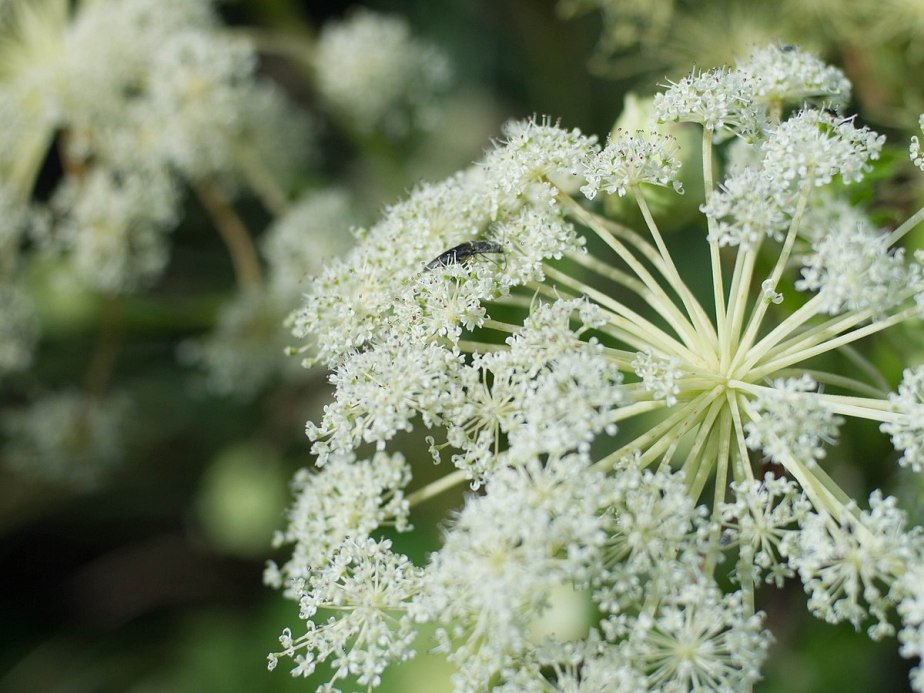
Angelica (Angelica Archangelica)

Parts Used: roots, stems, seeds, leaves

Angelica is closely related to Dong Quai, which is one of the most respected female tonics in Traditional Chinese Medicine.  Angelica has traditionally been used to help bring on a delayed labor and to help expel the placenta following childbirth. Angelica also helps to relieve painful cramping during menstruation.  It has been known to bring on delayed menstruation or Dysmenorrhea. It can help with boating from PMS as well.

It is a warming herb and stimulating to the lungs.  It can be used in colds with congestion and fevers.

Angelica contains compounds that act much like calcium channel blockers, which are often prescribed for high blood pressure.  If you have this condition, please do not use this herb along with other medicines and always consult your herbalist and doctor when choosing any herb.

Angelica is a bitter digestive aid and has been known to calm a nervous stomach and tension-related digestive problems.  The fruit, leaf and root of angelica stimulate digestion, help dispel gas and can calm a stomach of a nervous or anxious person.

It has also been used to stop premature ejaculation in men by rubbing on a salve made from the root or a tincture.

Angelica can be taken in many forms.  The dried root can be taken as a decoction, a boiled tea of sorts and can also be made into tinctures and extracts.  Some people make candy from the long hollow stems. The young leaves can be made into tea and the seeds can also be used as a flavoring in foods.

Angelica root is available in dried form, and as an essential oil. It grows wild in many places, but is not extremely heat tolerant. Use care when wildcrafting, as it resembles both Queen Anne’s Lace (a benign wild carrot) and Water Hemlock (a poisonous plant).

Angelica Side Effects: Because of its coumarin content, it may interfere with anticoagulant drugs. Angelica is a strong emmenagogue (a substance that induces menstruation) and should not be taken by pregnant women. Angelica has coumarin and should not be taken along with blood thinners or aspirin therapy or flax.

 Angelica was associated with many Pagan festivals, and after the introduction of Christianity, the plant became linked with some angelic lore as well. According to legend Angelica was revealed in a dream by an angel to cure the plague. Another explanation for the name is that it blooms on the day of Michael the Archangel (May 8, old-style) and is on that account held to be a preservative against evil spirits and witchcrafts of spells of all kinds, being also called “the root of the holy ghost”.

Angelica is considered a root of magickal feminine power in the African voodun traditions. Angelica is used in many spells to bless newborns, protect against unruly, hurtful men, and protect and purify the home against enemies and unquiet spirits.

Spells and Formulas with Angelica

Carry a piece of Angelica root to bring strength and ward off hexes. Put the root in a white mojo bag for protection, or a yellow one for courage.

Angelica is an ingredient in a Hoodoo working known as the Fiery Wall of Protection.

Add the dried root to incenses, floor washes, and baths to break jinxes and purify the home.

Use Angelica to consecrate amulets of Archangel Michael and all Solar charms.

Modern Information on WebMD:

https://www.webmd.com/vitamins-supplements/ingredientmono-281-angelica.aspx?activeingredientid=281

Day Two Magic and Medicinals What our Ancestors Knew. Focus on Goldenseal


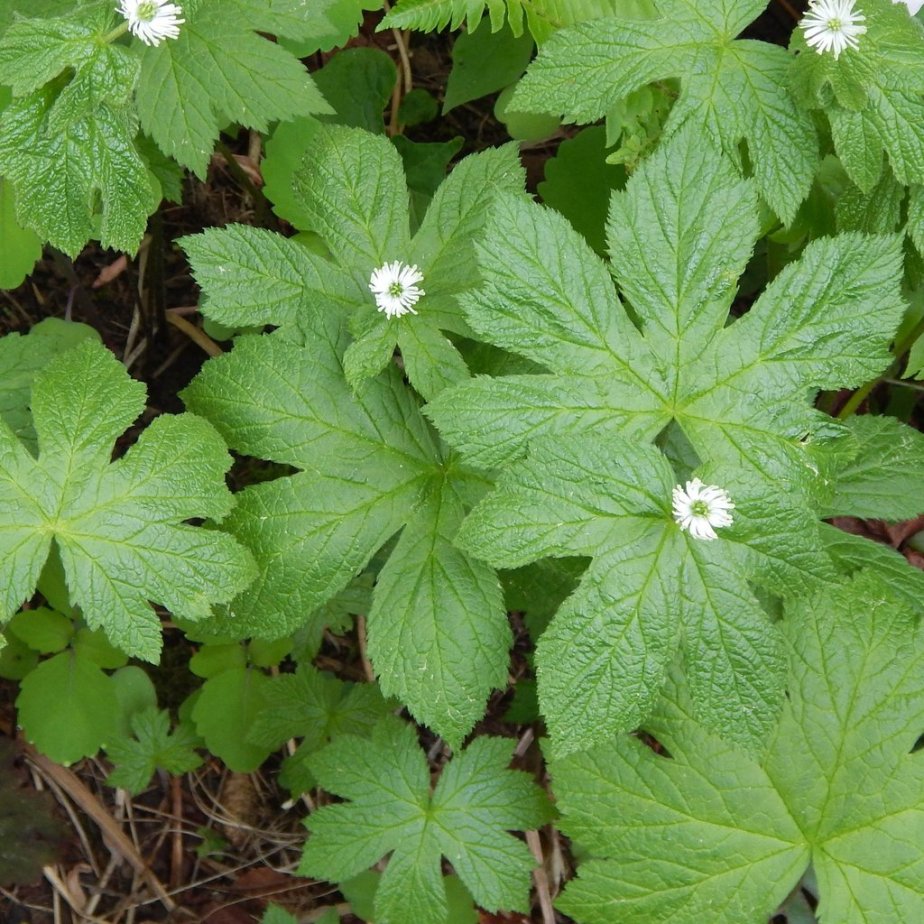
golenseal

Day 2.  Herb or the day Goldenseal (Hydratis Canadensis) Music above for some fun!

Disclamer: The following information is of an educational and general nature and should not be construed as legal advice. You should consult appropriate written and professional sources to answer questions related to your individual situation. Exercising one’s rights often entails some element of risk, and you should verify all information relevant to your situation before acting; the author and publisher disclaim any responsibility or liability for any loss incurred as a consequence of the use of any information herein.

Goldenseal is an herb that used to cover forest floors in abundance but today it has become over harvested and in danger of disappearing.  The reason for this is misuse and overuse by people who believe it is a substitute for pharmaceutical antibiotics (it’s not) and those who believe it will help them pass drug tests (it won’t).

What Goldenseal does do is work very effectively on boggy, swollen mucus membranes.  It can help the body fight infection in these areas but is not an antibiotic.  This herb is used a lot in conjunction with Echinacea for the early stages of a cold or just as a preventative. THIS IS NOT the right way to take this herb it should be used in the later stages of a cold or flu.  It is also anti-fungal and good for long term sinus infections which are mostly not bacterial but are indeed fungal infections.

Goldenseal is an astringent herb.  It fortifies mucus membranes which allows them to remain a strong barrier to the outside world and illnesses that might infect and pass through the membranes. People use both the herb and leaf with good results.  Goldenseal balances the mucus membranes. What is dry it moistens and what is wet it helps to dry.  It is high in berberine as well as other chemicals.  If you are interested in that information, please ask and I will send it to you.

It can be used in digestive disorders like ulcers and IBD.  May help with H. Pylori and has been used in Chinese medicine to balance a sour stomach.  Was used with good success in the past in dysentery outbreaks.

If you use the herb, please look for cultivated forms and not wild gathered.  It needs to replenish itself in the wild.  It is best used in a tincture or powdered form in capsule.  The tea of Goldenseal is so bitter it is hard to take in.

Might be dangerous when pregnant or breast feeding. Check with your doctor or herbalist first.

Dosage varies.  Please use with caution or consult an herbalist (like me!) for dosage based on your condition and health.

MAGICAL use:

As you’d imagine based on what it does in the body this herb is used in magical workings for PROTECTION! Protection from evil and curses.  Also protection from demonic or evil invaders (you know…like viruses and bacteria and fungus).  It is known to bring good luck in health matters and can be ground up with Angelica Root (for another day) for ultimate protection from the earth and the heavens.  It is used in the beds in white cloth of those who are chronically ill or in pain and of course always used in spells for health and to increase power!

Interesting!! So we can use this herb to help our bodies fight off invaders, make our mucus membranes strong and balanced in our sinuses and stomach lining and we can also use it to fight off invaders of the spiritual kind and bring ourselves power!  I love the way magic is medicine and visa versa!

Modern Source WebMD: https://www.webmd.com/vitamins-supplements/ingredientmono-943-goldenseal.aspx?activeingredientid=943